


Hydrogen is the lightest and most basic chemical element in the entire universe. Its symbol on the periodic table is H, and its atomic number is 1 — meaning each hydrogen atom has just one proton and one electron.
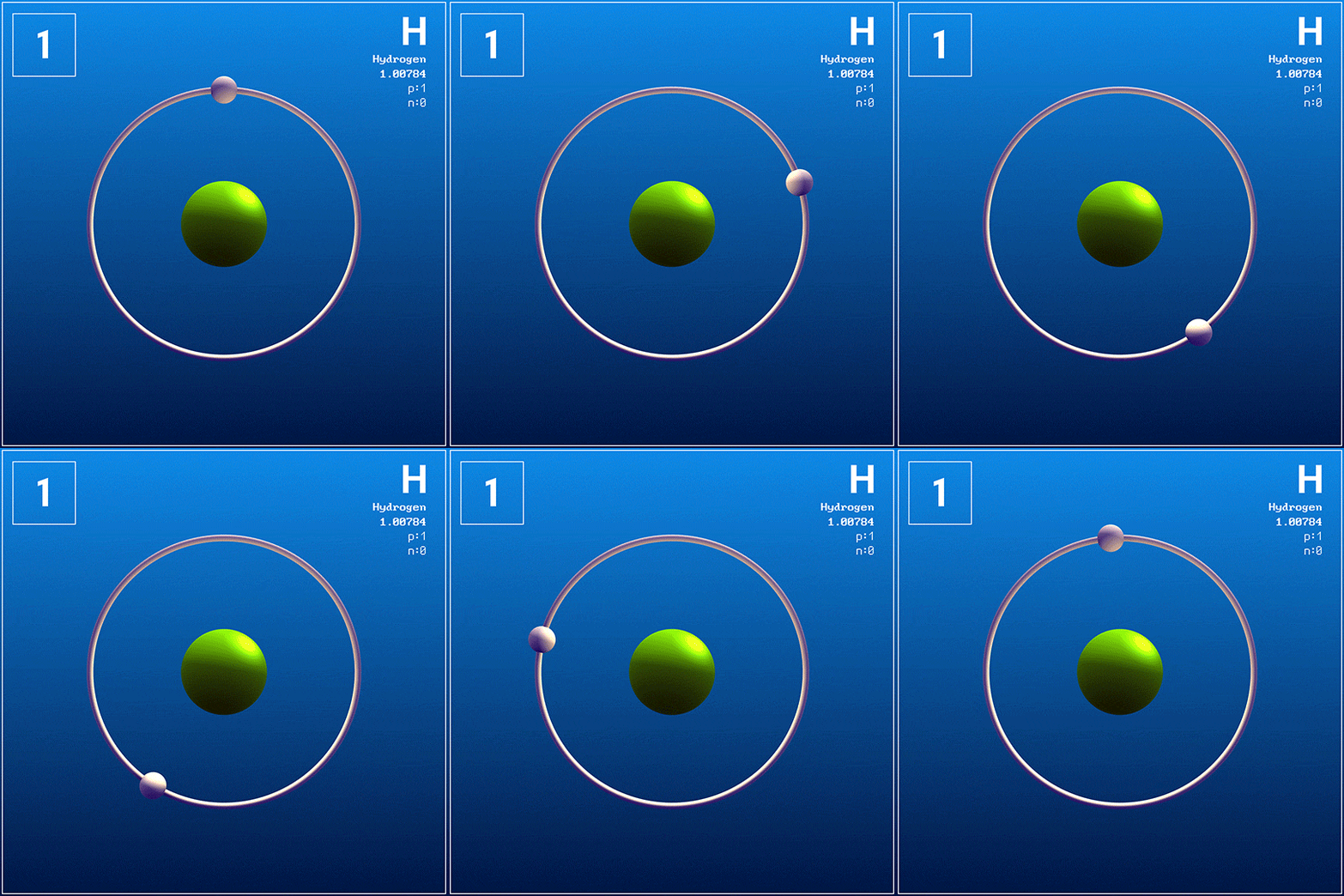
A closer look at hydrogen, the smallest atom with the biggest impact. This is the “solar-system” model for hydrogen.
The Simplicity of Hydrogen Makes it Unique
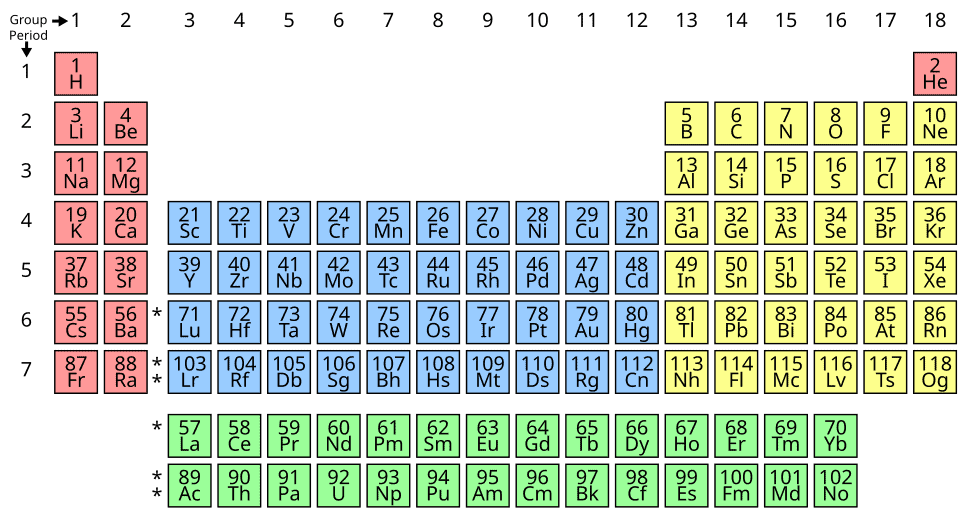
The simplicity of hydrogen makes it unique among all elements. Hydrogen is placed in the first period because its single electron resides in the first electron shell (the 1s orbital). It shares Group 1 (Alkali Metals) because it has one valence electron, allowing it to easily lose that electron to form a +1 ion, just like lithium or sodium. Despite this, hydrogen is a non-metal gas. Because it only needs one more electron to fill its outer shell, it can also act like a halogen (Group 17) by gaining an electron.
Hydrogen Properties
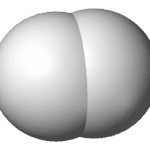
In nature, hydrogen atoms rarely exist on their own. Instead, under standard conditions, two hydrogen atoms link together to form hydrogen gas, written as H₂. This diatomic molecules is called dihydrogen, hydrogen gas, molecular hydrogen, or, as we will call it in this course, simply hydrogen.
Hydrogen is:
- colorless (no visible color)
- odorless (no smell)
- non-toxic
- highly combustible
- less dense than air (lighter than air — so it rises quickly and disperses).